Sensory Processing Differences and Sexual Pleasure: Strategies for Sensory-Friendly Intimacy
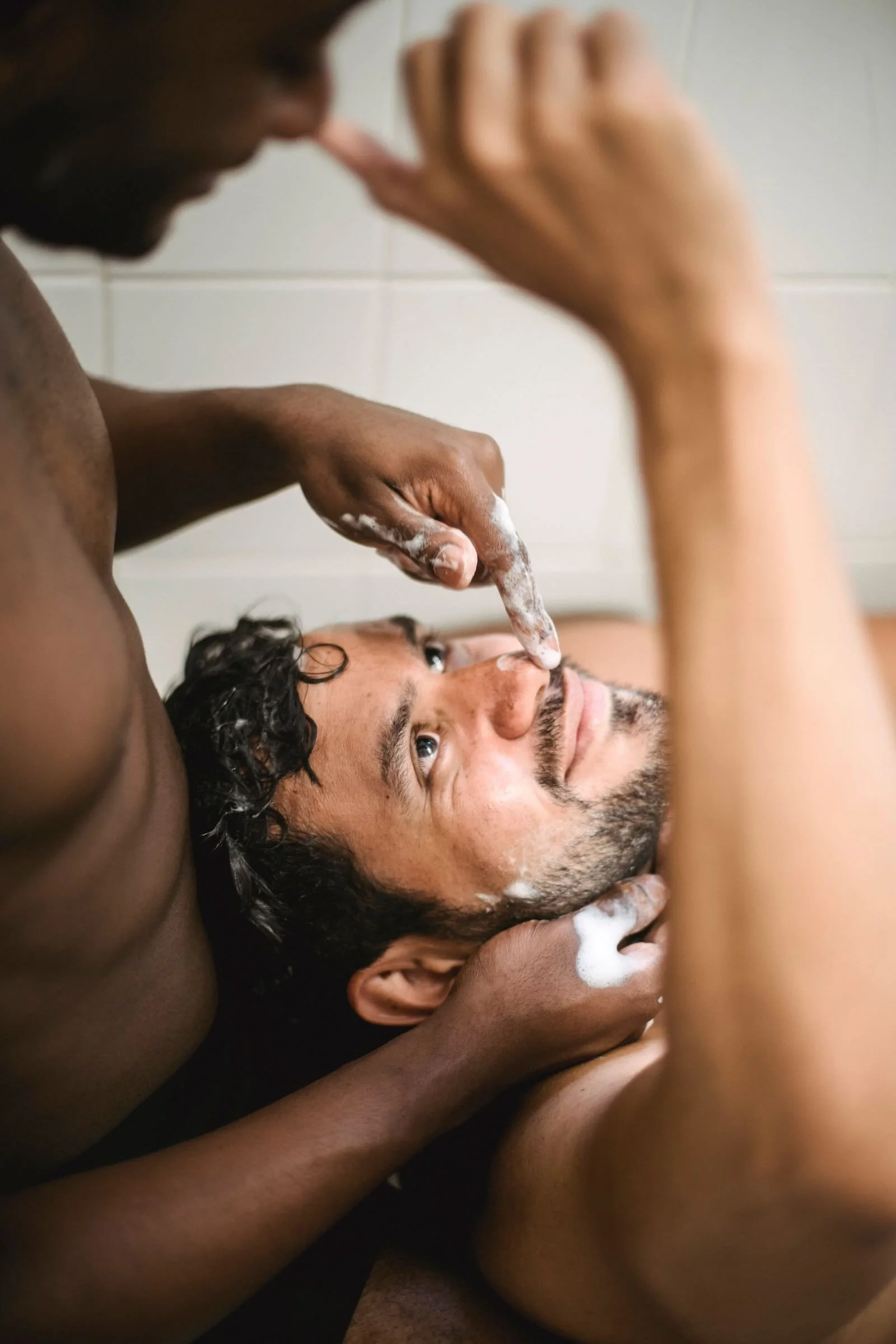
Sensory differences can shape sexuality in ways that can feel uniquely both challenging and pleasurable. If you experience sensory processing differences, they may show up in the way you experience sex and intimacy, from what feels good to what pulls you out of the experience.
How Is Sex Therapy Different From General Therapy?
A general therapist may be a great fit for many relationship or mental-health concerns. But when sexuality, intimacy, desire, sexual confidence, communication about sex, or sexual functioning is a central concern, a certified sex therapist brings specialized training and attention to that part of your life.

Disability, Desire, and Expanding Erotic Possibility Through Kink
For some disabled people, kink offers a way to reclaim pleasure and agency. Rather than forcing oneself into sexual positions and frameworks that don’t center them, kink creates openness to be creative. No longer are you limited to standard scripts or assumptions about what sex “should” look like. Instead, you can customize sex in ways that fit your actual body, needs, and preferences.

What Is Asexuality? Identity, Intimacy, Relationships, and Belonging
Asexuality is an umbrella term for people who experience little or no sexual attraction to others. It’s a spectrum that includes graysexual folks, demisexual folks, aroace folks, and more. Asexuality is about sexual attraction, not behavior or activity. Some people assume asexual folks are repulsed by sex, but experiences widely vary.

Sexual Fluidity: Why your Sexuality or Desire Can Change Over Time
If you find yourself questioning your sexuality after years of identifying a certain way, you’re not alone. Changes in attraction and desire are more common than we’re taught to believe, and they happen for many different reasons.

How to Make Friends as a Late-Diagnosed Autistic Adult
For late-diagnosed Autistic adults, making new friends can feel uniquely complicated. You might find yourself learning for the first time how you actually connect with others, distinguishing between what parts of you are authentic and what parts have been masked.

Gender Dysphoria During Sex and Intimacy: How to Stay Present in Your Body and Create Gender-Affirming Pleasure
Many people search for things like “gender dysphoria during sex” and wonder why intimacy sometimes makes them feel uncomfortable in their body. These experiences can feel confusing and isolating, especially if no one has ever talked openly about how dysphoria can show up during intimacy.

Can a Monogamous and Polyamorous Relationship Work? Navigating Mixed-Orientation Relationships
You don’t have to share the same sexual or relational orientation as your partner(s) for a relationship to work. Mixed-orientation relationships are one way this can look, whether your partner(s) are monogamous, polyamorous, or anywhere in between. A mixed-orientation relationship refers to a partnership where each person has different sexual orientations or relationship styles. You and your partner(s) can have different desires and still foster a fulfilling relationship.

Breaking Free From Internalized Shame: A Guide for Neurodivergent and LGBTQ+ Folks
Shame never comes out of nowhere. For many people, especially those with marginalized identities, shame is something we learn over time. It can come from overt harm like bullying, harassment, or discrimination, but it also can be learned in more subtle ways that are easier to miss.